

Revolutionizing Fabric Processing: The Automatic Reverse Packaging Hot Cutting Machine
2025-12
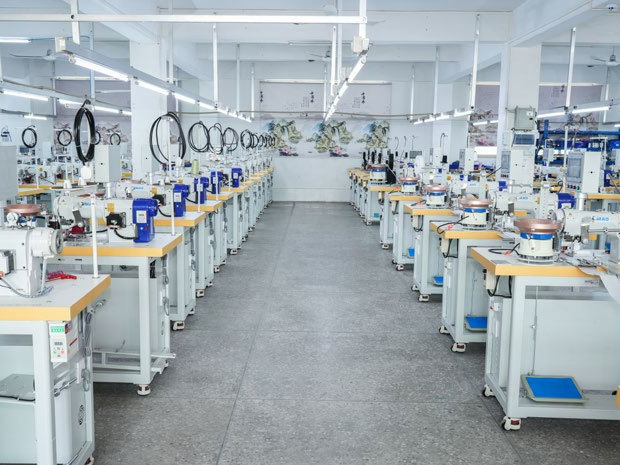
One of the standout features of the Automatic Reverse Packaging Hot Cutting Machine is its hot cutting technology. This technology utilizes high temperatures to melt and seal the fabric edges as they are cut, preventing fraying and ensuring that the final product maintains a polished and professional appearance. This is especially important in the garment industry, where the quality of finished seams directly impacts the overall product quality.
Another significant advantage of this machine is its reverse packaging capability. This feature allows for fabrics to be neatly and securely packaged after cutting, ready for distribution or further processing. In a fast-paced manufacturing environment, this not only saves time but also enhances the organization of materials, contributing to a more efficient workflow. The automatic reverse packaging function can be adjusted to accommodate different fabric types and sizes, making it versatile for various production needs.
Moreover, the Automatic Reverse Packaging Hot Cutting Machine is designed with user-friendly controls that allow operators to easily adjust settings and monitor performance. This ease of use is critical in maintaining a smooth production line and can contribute to increased productivity over time. Regular maintenance and proper operation training are essential to ensure longevity and optimal performance of the machine.
In conclusion, the Automatic Reverse Packaging Hot Cutting Machine represents a significant advancement in fabric processing technology. Its combination of hot cutting and reverse packaging capabilities enhances efficiency, reduces waste, and improves the overall quality of finished products. For manufacturers in the garment industry, investing in such machinery can lead to substantial improvements in operational efficiency, allowing businesses to meet growing demands and maintain a competitive edge. Embracing this technology can ultimately transform production processes and lead to greater profitability and success in the ever-evolving textile market.
Related Information

Expressway Back Buckle Hook Ring Machine is construction equipment used for installing highway fasteners, improving efficiency, stability, and installation accuracy.
Unlock Efficiency with Automatic Punching Machines in Leather Processing
Unlock Efficiency with Automatic Punching Machines in Leather Processing Table of Contents 1. Introduction to Automatic Punching Machines 2. Understanding Leather Processing and its Challenges 3. The Role of Automatic Punching Machines in Leather Manufacturing 4. Key Features of Modern Automatic Punching Machines 4.1 Precision and Accuracy 4.2 Speed and Efficiency 4.3 User-Friendly


Company Website

Public Account
Copyright © Shantou Demao Automation Equipment Co., Ltd.