

Understanding the Benefits of Double Pressure Bonding in Leather Work
2026-01
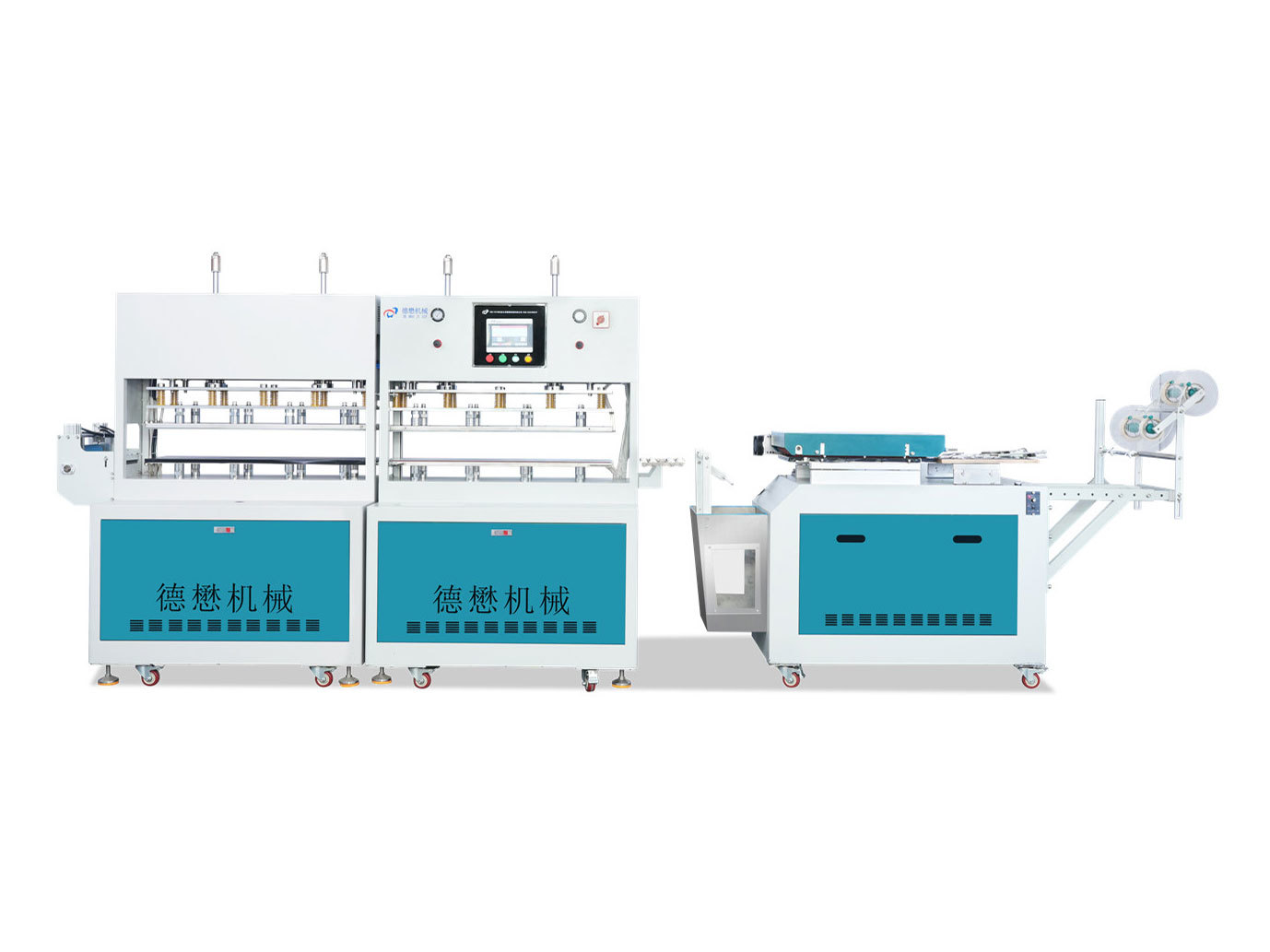
Understanding the Benefits of Double Pressure Bonding in Leather Work
Table of Contents
- Introduction to Double Pressure Bonding
- What is Double Pressure Bonding?
- History and Evolution of Leather Bonding Techniques
- Advantages of Double Pressure Bonding in Leather Work
- Enhanced Durability and Longevity
- Better Aesthetics and Finishing
- Increased Efficiency in Production
- Applications of Double Pressure Bonding in the Leather Industry
- Techniques and Tools for Double Pressure Bonding
- Common Mistakes to Avoid
- Expert Tips for Successful Double Pressure Bonding
- Conclusion
- FAQs About Double Pressure Bonding
Introduction to Double Pressure Bonding
In the realm of leather craftsmanship, the techniques employed can significantly influence the final product's quality, durability, and visual appeal. One such technique gaining popularity in the leather industry is **double pressure bonding**. This method not only enhances the strength of leather products but also provides a seamless finish that is aesthetically pleasing. In this article, we delve deep into the intricacies of double pressure bonding, exploring its benefits, applications, and practical tips for implementation.
What is Double Pressure Bonding?
Double pressure bonding, often referred to as double-sided bonding, involves the application of adhesive between two layers of leather under controlled pressure. This process ensures a strong bond that can withstand the rigors of daily use. By using specialized machinery, craftsmen can apply consistent pressure across the entire surface area, resulting in an even and reliable adhesion.
The technique is typically used in conjunction with heat, enhancing the adhesive's properties and ensuring that the bond forms effectively. This method is particularly beneficial for layered leather products, where structural integrity is paramount.
History and Evolution of Leather Bonding Techniques
The art of leather bonding has a rich history, evolving from rudimentary stitching methods to innovative techniques that enhance product durability and aesthetics. Traditional bonding methods, such as sewing and riveting, have served their purpose well, but modern advancements in adhesives and bonding technologies have opened new avenues for leather craftsmen.
Double pressure bonding emerged as a response to the demand for stronger and more visually appealing leather goods. As the industry has embraced this technique, it has transformed product design, allowing for more intricate patterns and multi-layered constructions that were previously challenging to achieve.
Advantages of Double Pressure Bonding in Leather Work
Enhanced Durability and Longevity
One of the primary advantages of double pressure bonding is the **enhanced durability** it provides. The strong adhesive bond created by this technique ensures that leather layers remain securely attached, reducing the likelihood of wear and tear over time. Products crafted using double pressure bonding tend to exhibit greater resistance to stresses such as stretching, tearing, and moisture exposure.
Better Aesthetics and Finishing
In addition to durability, double pressure bonding offers improved aesthetics. The smooth finish achieved through this technique can elevate a product's visual appeal, allowing for cleaner lines and seamless transitions between different materials or colors. This is especially important in industries where appearance plays a crucial role, such as fashion and luxury goods.
Increased Efficiency in Production
The double pressure bonding process also streamlines production workflows. By reducing the need for additional stitching or reinforcement, manufacturers can save time and resources. This efficiency translates to lower production costs and faster turnaround times, enabling businesses to meet customer demands more effectively.
Applications of Double Pressure Bonding in the Leather Industry
Double pressure bonding is versatile and can be applied across various segments of the leather industry. Some notable applications include:
- **Footwear Manufacturing**: In the creation of shoes and boots, double pressure bonding ensures that different materials, such as leather and synthetic fabrics, adhere securely, enhancing both comfort and durability.
- **Handbag and Accessory Production**: For handbags, wallets, and other accessories, the technique provides a polished finish while maintaining the structural integrity of the product.
- **Upholstery**: In furniture and automotive upholstery, double pressure bonding is employed to bond different leather layers, ensuring longevity and a high-quality appearance.
Techniques and Tools for Double Pressure Bonding
To execute double pressure bonding successfully, several tools and techniques are essential:
1. **Adhesives**: Choosing the right adhesive is crucial. Look for high-quality, flexible adhesives specifically formulated for leatherwork to ensure a strong bond.
2. **Pressure Machines**: Employing a double pressure machine allows for even application of pressure across the leather surfaces, which is vital for achieving consistent results.
3. **Heat Application**: Utilizing heat can enhance the bonding process. Some adhesives require activation through heat to achieve optimal adhesion, making this an important step in the process.
Common Mistakes to Avoid
While double pressure bonding offers many benefits, several common pitfalls can lead to subpar results:
- **Inadequate Adhesive Application**: Applying too little adhesive can compromise the bond strength. Ensure that you follow the manufacturer's guidelines for adhesive application.
- **Improper Pressure**: Not applying enough pressure can lead to weak bonds. Ensure your pressure machine is calibrated correctly for the materials being used.
- **Neglecting Surface Preparation**: Failing to prepare the leather surfaces before bonding can result in poor adhesion. Always clean and prepare the surfaces thoroughly to ensure the best results.
Expert Tips for Successful Double Pressure Bonding
To maximize your results with double pressure bonding, consider the following expert tips:
- **Conduct Test Samples**: Before embarking on a large project, conduct test samples to ensure that your chosen adhesive and pressure settings yield the desired results.
- **Monitor Environmental Conditions**: Temperature and humidity can impact the bonding process. Ensure that your workspace is climate-controlled for optimal results.
- **Use Quality Materials**: Investing in high-quality leather and adhesives will pay off in the long run, resulting in superior products that stand the test of time.
Conclusion
Double pressure bonding represents a significant advancement in leather craftsmanship, offering a range of benefits that enhance the quality, durability, and visual appeal of leather products. By understanding and implementing this technique, craftsmen can elevate their work, meeting the evolving demands of the industry. As we embrace these innovations, the future of leather work looks brighter than ever.
FAQs About Double Pressure Bonding
1. What types of leather can be used for double pressure bonding?
Double pressure bonding is compatible with various leather types, including full-grain, top-grain, and suede. However, always check the adhesive compatibility with the specific leather type.
2. Can double pressure bonding be used for repairing leather products?
Yes, double pressure bonding can be effectively utilized for repairs, especially in reattaching layers or reinforcing weak areas in leather products.
3. How does double pressure bonding compare to traditional stitching?
While traditional stitching offers durability, double pressure bonding creates a seamless look and can reduce overall production time, making it a preferred choice for many manufacturers.
4. Is double pressure bonding suitable for outdoor leather products?
Absolutely. When using water-resistant adhesives, double pressure bonding can enhance the longevity of leather products exposed to outdoor elements.
5. What maintenance is required for leather products bonded using double pressure techniques?
Regular cleaning and conditioning are essential for maintaining the integrity of leather products. Avoid exposing them to extreme conditions to prolong their lifespan.
By leveraging the benefits of double pressure bonding, artisans and manufacturers can create superior leather goods that stand out in a competitive market. Embrace this innovative technique to enhance your craftsmanship and meet the demands of discerning customers.
Previous Page:
Related Information

Maximizing Efficiency with Automatic Reverse Packaging Hot Cutting Machines
Automatic Reverse Packaging Hot Cutting Machines are innovative pieces of equipment designed to streamline the packaging process in the apparel manufacturing industry. These machines are particularly advantageous for businesses looking to enhance efficiency and maintain high-quality standards in their production lines. The primary function of this machine is to cut and seal packaging materials usi
Why Choose Expressway Back Hook Machines for Your Textile Manufacturing Needs?
Introduction to Expressway Back Hook Machines In the fast-evolving world of textile manufacturing, the choice of machinery plays a pivotal role in determining productivity and quality. Among the myriad options available, **Expressway Back Hook Machines** stand out as a preferred choice for many manufacturers. These machines are designed to meet the specific demands of the garment industry, deliver


Company Website

Public Account
Copyright © Shantou Demao Automation Equipment Co., Ltd.