

Enhancing Leather Quality: Unveiling the Mechanics of Back Buckle Technology
2026-03
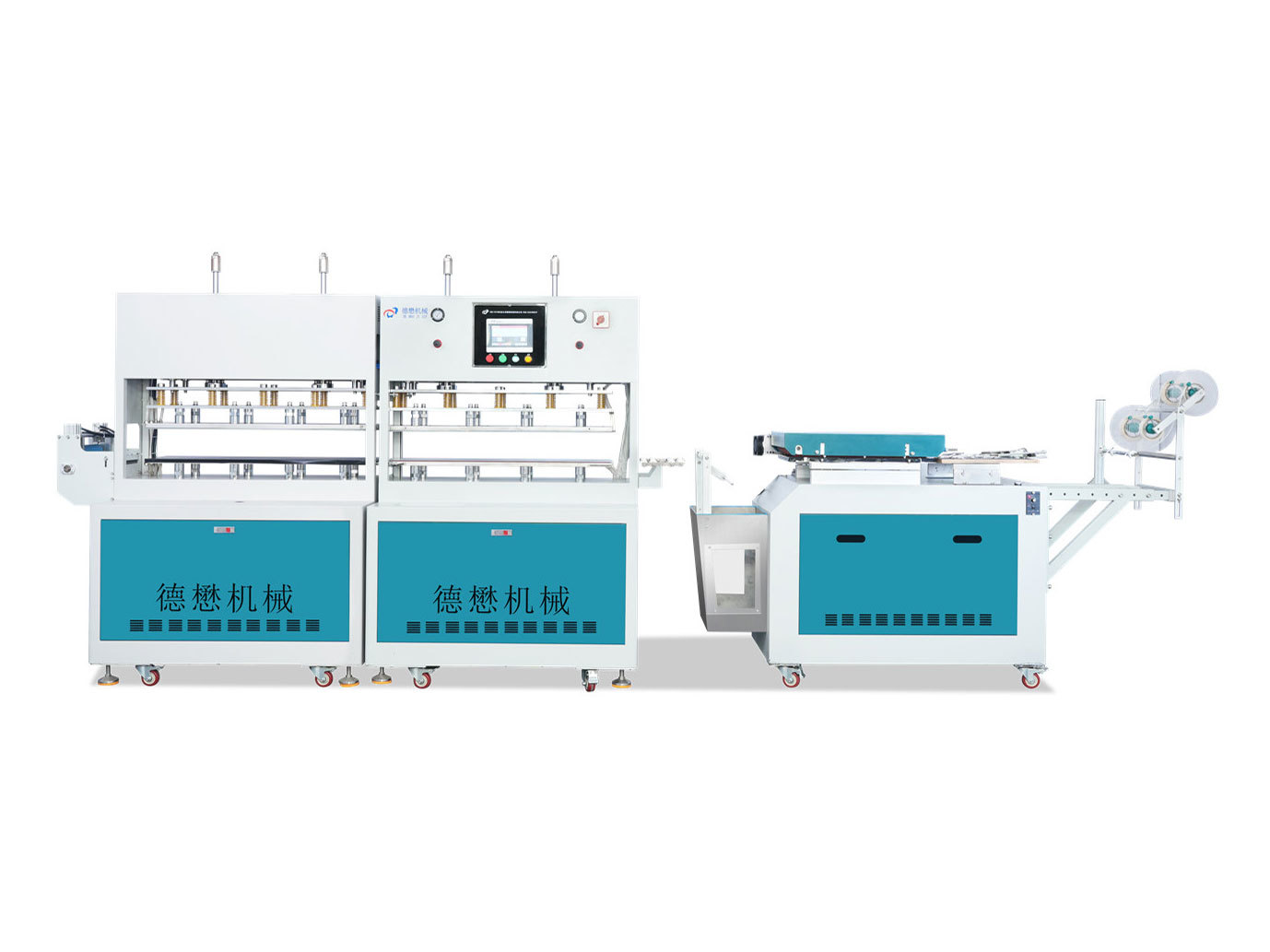
Enhancing Leather Quality: Unveiling the Mechanics of Back Buckle Technology
Table of Contents
- 1. Introduction to Back Buckle Technology in Leather Processing
- 2. Understanding Leather Quality: What Makes it Superior?
- 3. The Mechanics of Back Buckle Technology
- 3.1 Functionality and Design
- 3.2 Materials Used in Back Buckle Systems
- 3.3 Integration with Leather Manufacturing Processes
- 4. Benefits of Back Buckle Technology for Leather Quality
- 5. Case Studies: Successful Implementations of Back Buckle Technology
- 6. The Future of Leather Processing with Back Buckle Innovations
- 7. Best Practices for Implementing Back Buckle Technology
- 8. FAQs about Back Buckle Technology and Leather Quality
- 9. Conclusion: Embracing Back Buckle Technology for Enhanced Leather Quality
1. Introduction to Back Buckle Technology in Leather Processing
In the dynamic world of leather manufacturing, **quality** remains paramount. As a crucial factor determining the marketability of leather goods, innovations aimed at enhancing leather quality are constantly evolving. One such innovation is **back buckle technology**. This approach not only improves the structural integrity of leather products but also enhances their overall aesthetic appeal. In this article, we delve into the intricacies of back buckle technology and its transformative impact on the leather industry.
2. Understanding Leather Quality: What Makes it Superior?
Leather quality is determined by several factors, which include:
- **Raw Material Selection**: The type of hide, whether cow, sheep, or exotic leathers, plays a significant role. High-quality hides yield superior leather.
- **Tanning Process**: This chemical process preserves the leather and enhances its durability. Vegetable tanning, chrome tanning, and synthetic tanning each impart different qualities to the leather.
- **Finishing Techniques**: The application of finishes affects the leather's texture, appearance, and protective qualities.
- **Manufacturing Techniques**: The methods employed in cutting, stitching, and assembling leather products can heavily impact their strength and longevity.
Back buckle technology aligns seamlessly with these factors, introducing innovative methods to improve the overall quality of leather goods.
3. The Mechanics of Back Buckle Technology
Back buckle technology involves a specialized fastening system that enhances the structural dynamics of leather items. Let’s explore its mechanics in detail.
3.1 Functionality and Design
At its core, the **back buckle system** is designed to provide additional support and flexibility. Unlike traditional fastening methods, this technology ensures that:
- The buckle distributes pressure evenly across the leather, reducing wear and tear.
- It allows for adjustable tension, accommodating various shapes and sizes while maintaining a snug fit.
- The design aesthetic is enhanced, offering a sophisticated look that appeals to consumers.
3.2 Materials Used in Back Buckle Systems
The choice of materials in back buckle systems significantly impacts the overall quality of leather products. Common materials include:
- **Stainless Steel**: Resistant to corrosion, stainless steel buckles provide durability and longevity.
- **Brass**: Known for its aesthetic appeal, brass adds a touch of elegance while maintaining strength.
- **High-Grade Plastics**: Lightweight and versatile, modern plastics can be designed to mimic metal finishes while being more cost-effective.
These materials are selected based on their properties, ensuring they complement the leather without compromising its integrity.
3.3 Integration with Leather Manufacturing Processes
For back buckle technology to be effective, it needs to be integrated seamlessly into existing manufacturing processes. This includes:
- **Pre-Design Considerations**: Designers must factor in the back buckle mechanism during the initial design phase to ensure compatibility and functionality.
- **Production Line Adjustments**: Manufacturers may need to adapt their production lines to accommodate the installation of back buckles efficiently.
- **Quality Control Measures**: Implementing strict quality control protocols ensures that each back buckle system meets industry standards, ultimately enhancing leather quality.
4. Benefits of Back Buckle Technology for Leather Quality
The implementation of back buckle technology offers several advantages for enhancing leather quality:
1. **Increased Durability**: By reducing stress on specific points of leather goods, back buckles extend the life of products.
2. **Enhanced Aesthetics**: The stylish design of back buckles elevates the visual appeal, making leather items more desirable.
3. **Improved Functionality**: Adjustable features allow consumers to customize the fit of leather products, resulting in greater user satisfaction.
4. **Sustainability**: By prolonging the lifespan of leather goods, back buckle technology contributes to a more sustainable fashion industry.
5. Case Studies: Successful Implementations of Back Buckle Technology
Numerous brands have successfully integrated back buckle technology into their leather product lines. Here are a few notable examples:
- **Brand A**: By incorporating back buckles into their handbag designs, Brand A reported a 30% reduction in returns due to durability issues, leading to increased customer satisfaction.
- **Brand B**: A footwear company embraced back buckle technology, enhancing the fit of their shoes. This innovation resulted in a 15% boost in sales as customers appreciated the improved comfort.
- **Brand C**: An apparel brand utilized back buckles in its leather jackets, leading to positive reviews that highlighted the unique design and durability of the products.
These examples demonstrate the real-world benefits of back buckle technology in enhancing leather quality.
6. The Future of Leather Processing with Back Buckle Innovations
As technology continues to advance, the future of leather processing with back buckle innovations looks promising. Key trends include:
- **Smart Buckles**: Integration of technology into buckles, such as electronic locking mechanisms, which can enhance security and user convenience.
- **Sustainable Practices**: The leather industry is leaning towards more sustainable practices, and back buckle technology can be adapted to use eco-friendly materials.
- **Customization Options**: Consumers are increasingly seeking personalized products, and back buckles can be designed in various styles and finishes to cater to individual tastes.
These developments will shape the landscape of the leather industry in the coming years.
7. Best Practices for Implementing Back Buckle Technology
To effectively implement back buckle technology in leather processing, manufacturers should consider the following best practices:
- **Conduct Thorough Research**: Understand the market demands and consumer preferences to design appealing products.
- **Invest in Quality Materials**: Select high-quality materials that enhance durability and aesthetics.
- **Train Staff**: Provide training for production staff to ensure proper installation and integration of back buckles.
- **Incorporate Feedback**: Gather consumer feedback to continually improve the design and functionality of back buckle products.
By adhering to these practices, manufacturers can optimize their leather products while enhancing overall quality.
8. FAQs about Back Buckle Technology and Leather Quality
**Q1: What is back buckle technology?**
A1: Back buckle technology is a fastening system that enhances the durability and aesthetics of leather products by providing adjustable support and a stylish appearance.
**Q2: How does back buckle technology improve leather quality?**
A2: It distributes pressure evenly, reduces wear, and allows for customization in fit, ultimately prolonging the life of leather goods.
**Q3: What materials are commonly used in back buckle systems?**
A3: Common materials include stainless steel, brass, and high-grade plastics, chosen for their durability and aesthetic appeal.
**Q4: Can back buckle technology be integrated into existing leather manufacturing processes?**
A4: Yes, back buckle technology can be seamlessly integrated into design and production processes with proper planning and adjustments.
**Q5: What are the future trends in back buckle technology?**
A5: Future trends include smart buckles, sustainable practices, and increased customization options for consumers.
9. Conclusion: Embracing Back Buckle Technology for Enhanced Leather Quality
Back buckle technology stands as a testament to the advancements in the leather manufacturing industry. By enhancing the quality of leather goods through improved durability, aesthetic appeal, and functionality, this innovation addresses consumer demands while driving brand success. As we move towards a future that embraces technology and sustainability, manufacturers who adopt back buckle technology will not only ensure superior quality in their products but will also redefine consumer experiences in the world of leather. Embracing this technology is not just a choice; it is an essential step towards maintaining competitiveness in an ever-evolving market.
Related Information

Maximizing Efficiency with Automatic Reverse Packaging Hot Cutting Machines
Automatic Reverse Packaging Hot Cutting Machines are innovative pieces of equipment designed to streamline the packaging process in the apparel manufacturing industry. These machines are particularly advantageous for businesses looking to enhance efficiency and maintain high-quality standards in their production lines. The primary function of this machine is to cut and seal packaging materials usi
Why Choose Expressway Back Hook Machines for Your Textile Manufacturing Needs?
Introduction to Expressway Back Hook Machines In the fast-evolving world of textile manufacturing, the choice of machinery plays a pivotal role in determining productivity and quality. Among the myriad options available, **Expressway Back Hook Machines** stand out as a preferred choice for many manufacturers. These machines are designed to meet the specific demands of the garment industry, deliver


Company Website

Public Account
Copyright © Shantou Demao Automation Equipment Co., Ltd.