

Cutting-Edge Features of the Latest Automatic Cold Cutting Machines: Revolutionizing Garment and Accessories Manufacturing
2025-10
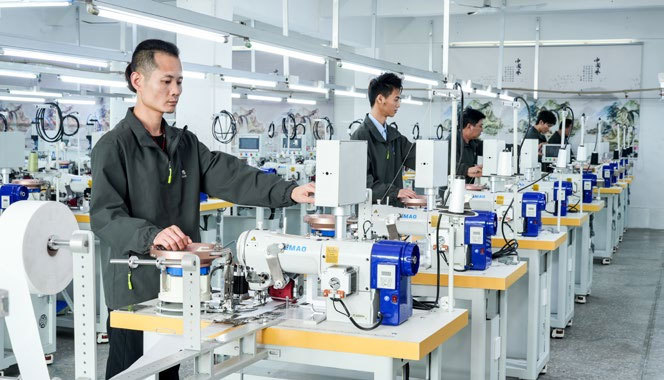
Cutting-Edge Features of the Latest Automatic Cold Cutting Machines
Table of Contents
1. Introduction to Automatic Cold Cutting Machines
2. The Importance of Cold Cutting in Manufacturing
3. Key Features of Modern Automatic Cold Cutting Machines
3.1 Precision Alignment and Cutting Accuracy
3.2 Advanced Control Systems and Software Integration
3.3 Enhanced Material Handling and Feeding Systems
3.4 Eco-Friendly Operations and Sustainability
4. The Role of Automation in Garment Production
5. Comparing Traditional Cutting Methods with Automatic Cold Cutting
6. Case Studies: Successful Implementations
7. Future Trends in Cold Cutting Technology
8. Frequently Asked Questions (FAQs)
9. Conclusion
1. Introduction to Automatic Cold Cutting Machines
In the fast-paced garment and accessories manufacturing industry, **efficiency** and **precision** are paramount. As consumer demands for high-quality products increase, manufacturers are turning to **automatic cold cutting machines** as a solution. These machines not only streamline the cutting process but also bring a range of cutting-edge features that enhance productivity and reduce waste.
2. The Importance of Cold Cutting in Manufacturing
Cold cutting technology plays a critical role in maintaining the integrity of various materials. Unlike traditional cutting methods that generate heat, cold cutting minimizes thermal distortion, ensuring clean edges and reducing fraying. This is particularly important in the fashion industry, where the quality of the cut can affect the overall appearance and fit of the garment.
3. Key Features of Modern Automatic Cold Cutting Machines
As manufacturers seek to upgrade their operations, the latest automatic cold cutting machines boast several advanced features that set them apart from earlier models.
3.1 Precision Alignment and Cutting Accuracy
One of the most significant advancements in automatic cold cutting machines is their **precision alignment** capability. Utilizing sophisticated sensors and laser guides, these machines ensure that fabric layers are perfectly aligned before cutting. This leads to increased accuracy in cutting patterns, significantly reducing material waste and improving the final product's quality.
3.2 Advanced Control Systems and Software Integration
Modern machines come equipped with **intelligent control systems** that facilitate seamless integration with existing manufacturing software. This integration allows for real-time monitoring of the cutting process, enabling operators to make adjustments as needed. The ability to program complex cutting patterns and automate repetitive tasks not only enhances productivity but also minimizes the risk of human error.
3.3 Enhanced Material Handling and Feeding Systems
The latest automatic cold cutting machines feature **advanced material handling systems** that improve the efficiency of the cutting process. Automated feeding mechanisms ensure a steady supply of fabric to the cutting area, minimizing downtime and increasing the overall speed of production. These systems are designed to handle a wide variety of materials, from lightweight fabrics to heavy-duty textiles, making them versatile for different applications.
3.4 Eco-Friendly Operations and Sustainability
Sustainability is a growing concern in the manufacturing sector, and automatic cold cutting machines contribute significantly to eco-friendly practices. By reducing material waste and minimizing energy consumption, these machines help businesses lower their environmental impact. Additionally, many models are designed with recyclable components, further supporting sustainable practices in the industry.
4. The Role of Automation in Garment Production
As the garment industry evolves, the role of automation becomes increasingly important. Automatic cold cutting machines not only enhance efficiency but also support manufacturers in meeting the fast-changing market demands. By automating the cutting process, companies can respond more quickly to trends, reducing lead times and improving customer satisfaction.
5. Comparing Traditional Cutting Methods with Automatic Cold Cutting
When comparing traditional cutting methods to modern automatic cold cutting, the differences are stark. Traditional methods often rely on manual labor, which can be time-consuming and prone to errors. In contrast, automatic machines offer **speed**, **accuracy**, and **consistency**. The reduction in human intervention translates to lower labor costs and a more streamlined production process.
6. Case Studies: Successful Implementations
Numerous companies have successfully integrated automatic cold cutting machines into their operations. For instance, a leading apparel manufacturer reported a **30% increase in production efficiency** after upgrading to an automated system. By minimizing waste and enhancing accuracy, they were able to reduce costs while maintaining high-quality standards.
Another case involved a company specializing in sportswear. After implementing an automatic cold cutting machine, they noted a significant decrease in turnaround time for custom orders. This agility allowed them to capture a larger market share and improve their overall competitiveness.
7. Future Trends in Cold Cutting Technology
The future of cold cutting technology is bright, with several exciting trends on the horizon. Enhanced AI integration will likely lead to even greater automation and precision. Additionally, as materials continue to evolve, cold cutting machines will adapt to handle new fabrics and composites, keeping pace with industry demands.
Moreover, innovations in machine learning will enable predictive maintenance, ensuring that machines operate at peak efficiency while reducing downtime. These advancements will solidify the role of automatic cold cutting machines as essential tools in modern manufacturing.
8. Frequently Asked Questions (FAQs)
What are automatic cold cutting machines?
Automatic cold cutting machines are advanced tools used in garment manufacturing that cut fabric without generating heat, preserving the material's integrity.
How do automatic cold cutting machines improve efficiency?
These machines automate the cutting process, reducing labor time and errors while increasing production speed and material utilization.
What materials can be cut with automatic cold cutting machines?
They can handle a wide range of materials, including lightweight fabrics, heavy-duty textiles, and complex composites.
Are automatic cold cutting machines environmentally friendly?
Yes, they reduce material waste and energy consumption, supporting sustainable manufacturing practices.
How do I choose the right automatic cold cutting machine for my business?
Consider factors such as production volume, material types, and integration capabilities with existing systems when selecting a machine.
9. Conclusion
The evolution of **automatic cold cutting machines** represents a significant leap forward in the garment and accessories manufacturing industry. With their precision, efficiency, and sustainability features, these machines are not just tools; they are game-changers that help businesses meet the demands of a competitive market. By adopting these cutting-edge technologies, manufacturers can enhance their operational efficiencies, reduce waste, and ultimately deliver higher-quality products to their customers. As we look to the future, the potential for innovation in cold cutting technology is vast, promising even more advancements that will reshape the manufacturing landscape.
Related Information

Choosing the Right Supplier for Your Automatic Cold Cutting Machine Needs: A Comprehensive Guide
Choosing the Right Supplier for Your Automatic Cold Cutting Machine Needs Table of Contents Understanding Automatic Cold Cutting Machines The Importance of Selecting the Right Supplier Key Features of a Quality Supplier Evaluating Supplier Reputation and Experience Assessing Technical Expertise and Support Considering Cost-Effectiveness and Value Ensuring Compliance an
Understanding Fully Automatic Cutting and Bundling Machines in the Garment Manufacturing Industry
In the fast-paced apparel manufacturing industry, efficiency and precision are paramount. Fully automatic cutting and bundling machines have emerged as vital tools that streamline production processes, ensuring that manufacturers can meet high demands while maintaining quality. These machines automate the cutting and bundling of fabric materials, eliminating manual labor and minimizing human error


Company Website

Public Account
Copyright © Shantou Demao Automation Equipment Co., Ltd.