

Step-by-Step Guide to Maintaining Your Expressway Back Hook Hook Machine
2025-10
Step-by-Step Guide to Maintaining Your Expressway Back Hook Hook Machine
Table of Contents
- 1. Introduction to the Expressway Back Hook Hook Machine
- 2. Importance of Regular Maintenance
- 3. Daily Maintenance Tasks for Optimal Performance
- 4. Weekly and Monthly Maintenance Checks
- 5. Common Issues and Troubleshooting Tips
- 6. Cleaning Your Expressway Back Hook Hook Machine
- 7. Lubrication and Oil Replacement Procedures
- 8. When to Seek Professional Help
- 9. Conclusion: Keeping Your Equipment Running Smoothly
- 10. Frequently Asked Questions (FAQs)
1. Introduction to the Expressway Back Hook Hook Machine
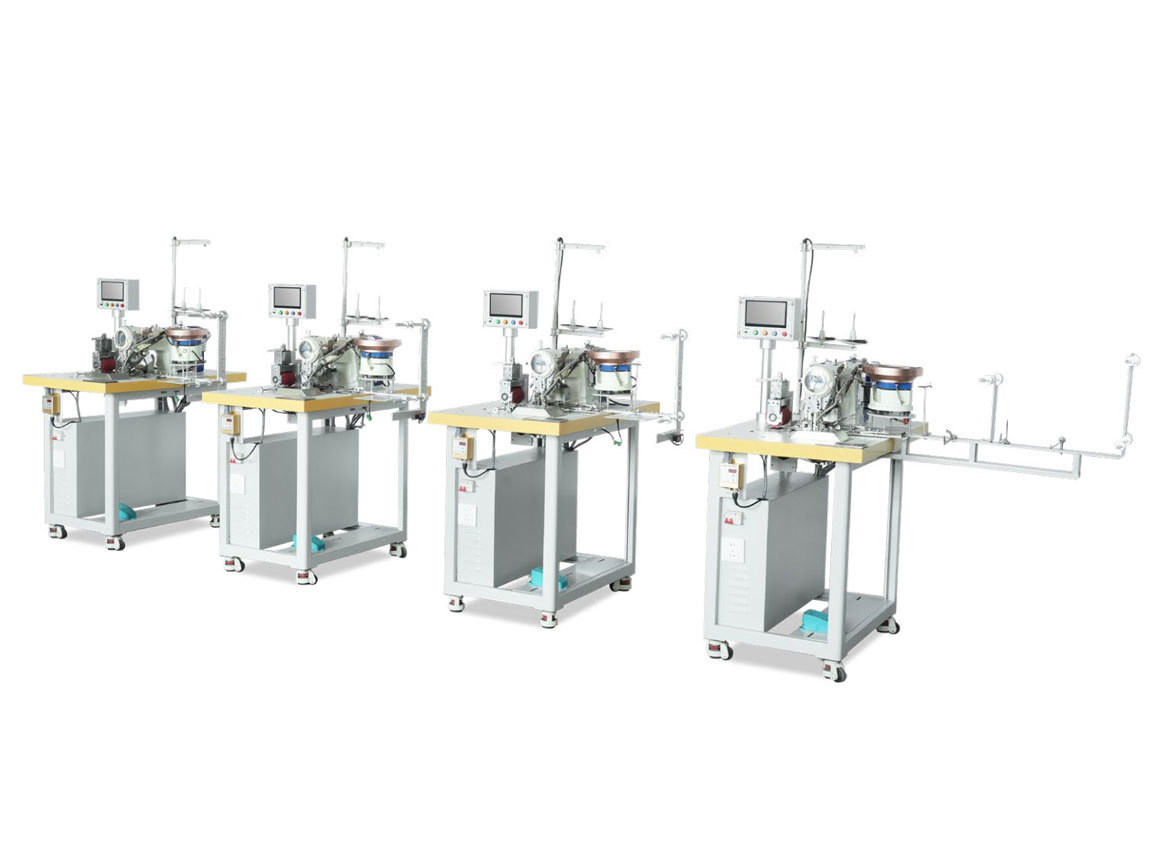
The Expressway Back Hook Hook Machine plays a vital role in the fabric and garment manufacturing industry. Designed for efficiency and precision, this machine is essential for attaching hooks and fasteners to various types of clothing and accessories. Proper maintenance is crucial to ensure its longevity and reliable performance. In this guide, we aim to provide a comprehensive overview of maintaining your Expressway Back Hook Hook Machine.
2. Importance of Regular Maintenance
Regular maintenance of your Expressway Back Hook Hook Machine is not just a suggestion; it is a necessity. Routine care helps prevent costly breakdowns, extends the lifespan of your equipment, and maintains high-quality output. By understanding the importance of maintenance, operators can avoid downtime and ensure that production schedules remain on track.
Benefits of Regular Maintenance
- Increased Efficiency: A well-maintained machine operates smoothly, reducing the likelihood of errors and enhancing productivity.
- Cost Savings: Preventative maintenance can significantly reduce repair costs and extend the lifespan of your machinery.
- Quality Assurance: Regular checks help maintain the quality of garments produced, ensuring consistency and customer satisfaction.
3. Daily Maintenance Tasks for Optimal Performance
Incorporating daily maintenance tasks into your routine can significantly impact the performance and reliability of your Expressway Back Hook Hook Machine. Here are several key tasks to complete each day:
Inspect the Machine
Begin with a visual inspection of the machine. Look for any signs of wear or damage, such as frayed wires or loose components. Addressing minor issues early can prevent larger problems later.
Check Fasteners and Hooks
Ensure that all fasteners and hooks are properly functioning. Replace any that show signs of wear and ensure that the machine settings are adjusted for optimal performance.
Clean the Work Area
A clean workspace promotes efficiency and safety. Remove fabric scraps and debris that could interfere with the machine's operation.
4. Weekly and Monthly Maintenance Checks
In addition to daily maintenance, weekly and monthly checks are essential to keep your Expressway Back Hook Hook Machine running seamlessly.
Weekly Maintenance Tasks
- Lubricate Moving Parts: Apply lubricant to all moving parts to reduce friction and wear.
- Check Electrical Connections: Ensure that all electrical connections are secure and free from corrosion.
- Review Operational Settings: Check and adjust machine settings based on the type of fabric being used.
Monthly Maintenance Tasks
- Deep Cleaning: Perform a thorough cleaning of the machine, removing dust and buildup that may affect performance.
- Inspect Belts and Cables: Check for signs of wear and replace as necessary.
- Test Machine Calibration: Ensure that the machine is calibrated correctly for precise stitching.
5. Common Issues and Troubleshooting Tips
Even with regular maintenance, issues may arise. Identifying and troubleshooting these problems quickly can save time and resources.
Thread Breakage
One of the most common issues is thread breakage. This can be caused by incorrect tension settings or using inappropriate thread types. Adjust the tension and ensure you are using the correct thread for the job.
Skipped Stitches
Skipped stitches can occur when the needle is damaged or the machine is not correctly threaded. Inspect the needle for wear and rethread the machine if necessary.
Machine Jamming
If your machine jams, check for obstructions, such as fabric caught in the feed dogs. Clearing the area and ensuring proper fabric feeding can resolve this issue.
6. Cleaning Your Expressway Back Hook Hook Machine
Proper cleaning is a cornerstone of maintenance. Dust, lint, and fabric remnants can accumulate, leading to machine inefficiency.
Cleaning Procedure
- Turn Off the Machine: Always start by turning off the power to avoid accidents.
- Remove Dust and Debris: Use a soft brush or vacuum to remove dust from the machine’s surface and interior.
- Wipe Down Surfaces: Use a damp cloth to clean any surfaces, ensuring no moisture enters electrical components.
- Clean the Bobbin Area: Remove and clean the bobbin area to ensure smooth operation.
7. Lubrication and Oil Replacement Procedures
Lubrication is critical to ensure the smooth operation of moving parts. Regular oil replacement can prevent wear and tear.
Lubrication Schedule
We recommend lubricating moving parts weekly and checking oil levels monthly. Use high-quality machine oil suitable for your Expressway Back Hook Hook Machine.
Oil Replacement Steps
- Locate Oil Reservoir: Identify the oil reservoir and check the current oil level.
- Drain Old Oil: If the oil is dirty or low, drain it completely.
- Refill with New Oil: Fill the reservoir with the recommended type of oil, ensuring not to overfill.
8. When to Seek Professional Help
While many maintenance tasks can be performed in-house, some situations require the expertise of a professional technician.
Signs You Need Professional Maintenance
- Persistent operational issues despite regular maintenance efforts.
- Unusual noises that may indicate mechanical failure.
- Electrical problems that require specialized knowledge.
Trusting professionals for complex repairs can save time and ensure the longevity of your machine.
9. Conclusion: Keeping Your Equipment Running Smoothly
Maintaining your Expressway Back Hook Hook Machine is essential for ensuring high efficiency and product quality in garment manufacturing. By adhering to a regular maintenance schedule and addressing issues promptly, you can extend the life of your equipment and reduce unexpected downtime. Implement the tips outlined in this guide, and you'll be well on your way to keeping your machine in optimal condition for years to come.
10. Frequently Asked Questions (FAQs)
1. How often should I perform maintenance on my machine?
Daily checks are recommended, with more extensive inspections and maintenance tasks carried out weekly and monthly.
2. What are the signs that my machine needs servicing?
Look for signs such as unusual noises, frequent thread breakage, or inconsistent stitching quality.
3. Can I perform maintenance myself, or should I hire a professional?
Many maintenance tasks can be performed by operators. However, complex issues should be addressed by trained professionals.
4. What type of oil should I use for lubrication?
Use high-quality machine oil specifically designed for sewing machines, as specified in your user manual.
5. How can I improve the longevity of my machine?
Regular maintenance, proper cleaning, and using the right materials are key factors in extending the lifespan of your Expressway Back Hook Hook Machine.
Previous Page:
Related Information

Choosing the Right Supplier for Your Automatic Cold Cutting Machine Needs: A Comprehensive Guide
Choosing the Right Supplier for Your Automatic Cold Cutting Machine Needs Table of Contents Understanding Automatic Cold Cutting Machines The Importance of Selecting the Right Supplier Key Features of a Quality Supplier Evaluating Supplier Reputation and Experience Assessing Technical Expertise and Support Considering Cost-Effectiveness and Value Ensuring Compliance an
Understanding Fully Automatic Cutting and Bundling Machines in the Garment Manufacturing Industry
In the fast-paced apparel manufacturing industry, efficiency and precision are paramount. Fully automatic cutting and bundling machines have emerged as vital tools that streamline production processes, ensuring that manufacturers can meet high demands while maintaining quality. These machines automate the cutting and bundling of fabric materials, eliminating manual labor and minimizing human error


Company Website

Public Account
Copyright © Shantou Demao Automation Equipment Co., Ltd.