

Creating Lasting Bonds in Leather Goods with Back Buckle Bonding: The Ultimate Guide
2026-05
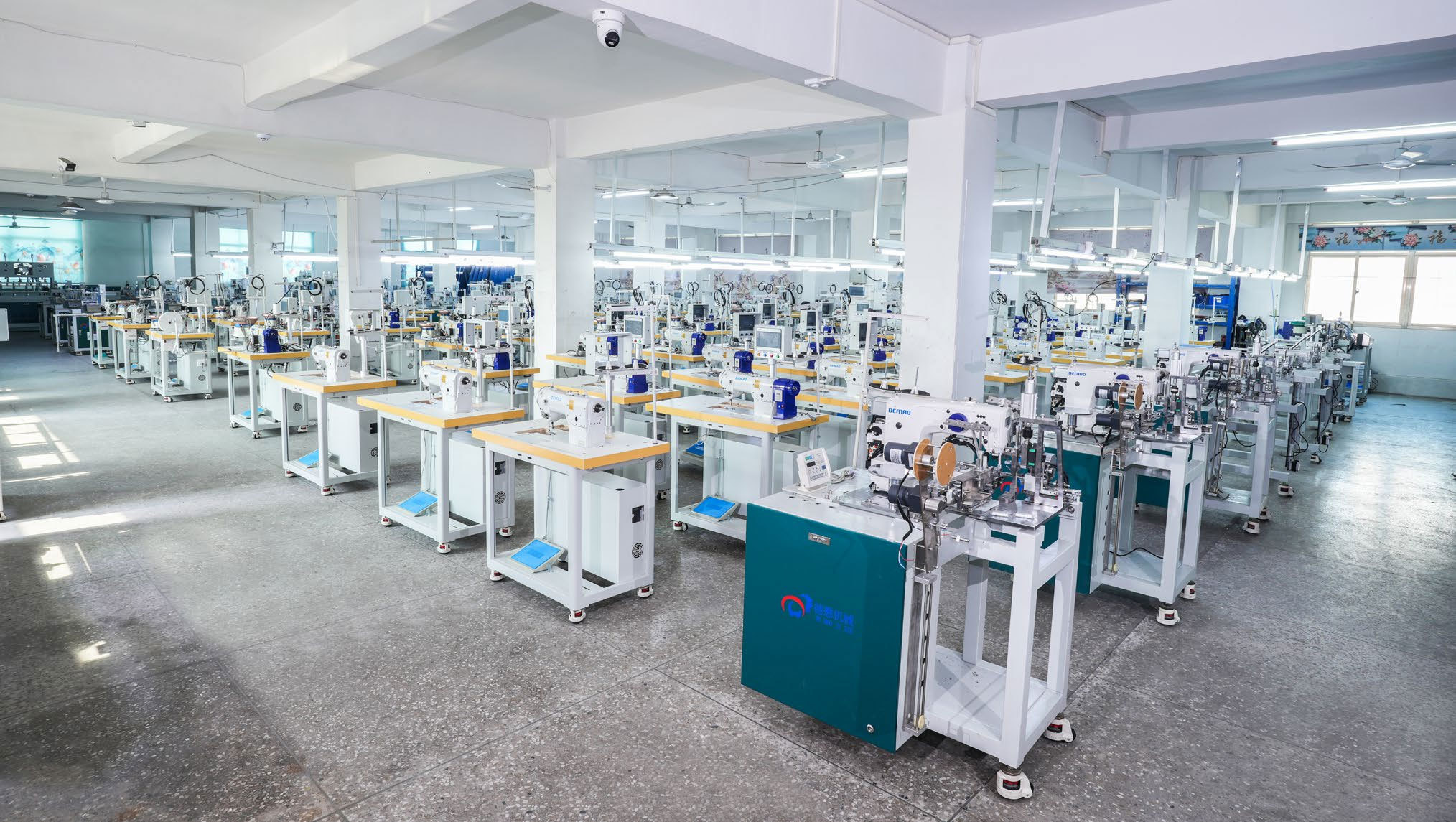
Creating Lasting Bonds in Leather Goods with Back Buckle Bonding
Table of Contents
- Introduction to Back Buckle Bonding
- What is Back Buckle Bonding?
- The Importance of Bonding Techniques in Leather Goods
- Benefits of Back Buckle Bonding in Leather Goods
- Materials and Tools Required for Back Buckle Bonding
- Step-by-Step Guide to Implementing Back Buckle Bonding
- Common Challenges and How to Overcome Them
- Maintaining Your Leather Goods: Tips for Longevity
- Conclusion
- FAQs
Introduction to Back Buckle Bonding
In the world of leather manufacturing, **creating durable and aesthetically pleasing products** is paramount. One technique that has risen to prominence is **back buckle bonding**. This method not only enhances the durability of leather goods but also adds a unique styling element that can elevate any product. In this guide, we will explore the intricacies of back buckle bonding, its benefits, and how to implement it effectively in your leather goods.
What is Back Buckle Bonding?
**Back buckle bonding** refers to a specialized bonding technique where leather pieces are secured together using a buckle mechanism on the back side. This method is particularly popular in the creation of belts, bags, and other leather accessories. The process involves a combination of **adhesive application** and mechanical fastening, resulting in a strong and reliable connection.
### The Process of Back Buckle Bonding
The process generally involves several key steps:
1. **Preparation of Leather Pieces**: The leather is cut and treated to ensure optimal adhesion.
2. **Application of Adhesive**: An industrial adhesive is applied to the edges of the leather pieces.
3. **Buckle Attachment**: A buckle or fastening mechanism is attached, securing the pieces together.
4. **Curing Time**: The bonded pieces are allowed to cure, ensuring a strong hold.
This technique not only provides strength but also allows for flexibility in design, making it a favorite among artisans and manufacturers alike.
The Importance of Bonding Techniques in Leather Goods
In leather goods manufacturing, **bonding techniques** play a pivotal role in determining the quality and longevity of the products. Here’s why effective bonding is crucial:
- **Durability**: Proper bonding ensures that leather goods can withstand daily wear and tear.
- **Aesthetic Appeal**: A well-bonded product looks polished and professional, enhancing its marketability.
- **Functionality**: Effective bonding techniques contribute to the overall functionality of the product, ensuring it serves its intended purpose.
Benefits of Back Buckle Bonding in Leather Goods
Implementing back buckle bonding comes with a multitude of benefits that can set your leather goods apart from the competition:
### Enhanced Durability
The combination of adhesive and mechanical fastening offers superior durability compared to traditional stitching methods. This is especially advantageous for products that experience high levels of stress, such as belts and bags.
### Design Versatility
Back buckle bonding allows for innovative design options, enabling artisans to create unique and functional pieces. The buckle mechanism can also serve as a decorative element, adding to the product's aesthetic appeal.
### Cost-Effectiveness
By reducing the need for extensive stitching, back buckle bonding can lower production costs. This efficiency allows manufacturers to allocate resources to other areas of production or design.
### Reduced Production Time
The streamlined process of back buckle bonding can significantly shorten production times, allowing businesses to meet customer demands more quickly.
Materials and Tools Required for Back Buckle Bonding
To successfully implement back buckle bonding, you will need the following materials and tools:
### Essential Materials
- **Leather**: High-quality leather that is suitable for the intended product.
- **Adhesive**: An industrial-strength adhesive designed for leather bonding.
- **Buckle Mechanism**: The specific type of buckle that suits your design requirements.
### Tools
- **Cutting Tools**: For preparing the leather pieces.
- **Application Tools**: Brushes or rollers for adhesive application.
- **Pressing Tools**: Weights or clamps to ensure proper bonding during curing.
Step-by-Step Guide to Implementing Back Buckle Bonding
Creating a product using back buckle bonding is a systematic process. Follow these steps for optimal results:
### Step 1: Prepare Your Materials
Start by gathering all necessary materials and tools. Cut the leather pieces into the desired shapes and sizes.
### Step 2: Apply Adhesive
Carefully apply the adhesive to the edges of the leather pieces. Ensure even coverage to avoid weak spots.
### Step 3: Attach the Buckle
Position the buckle mechanism at the designated spot on the leather. Press firmly to secure it in place.
### Step 4: Clamp and Cure
Use weights or clamps to hold the bonded pieces together. Allow the adhesive to cure for the recommended time as per the adhesive manufacturer’s instructions.
### Step 5: Final Touches
Once cured, inspect the bonded area for any excess adhesive and trim any rough edges to ensure a polished finish.
Common Challenges and How to Overcome Them
While implementing back buckle bonding can be rewarding, it’s not without its challenges. Here are some common issues and solutions:
### Adhesive Weakness
**Problem**: If the adhesive does not hold, it could be due to improper application.
**Solution**: Ensure even coverage of adhesive and follow curing times closely.
### Misalignment of Buckle
**Problem**: The buckle may not align correctly with the leather pieces.
**Solution**: Mark the placement of the buckle before applying adhesive to ensure accuracy.
### Excess Adhesive
**Problem**: Excess adhesive can mar the appearance of the product.
**Solution**: Wipe away any excess immediately after application to maintain a clean finish.
Maintaining Your Leather Goods: Tips for Longevity
Once you’ve created beautiful leather goods using back buckle bonding, it’s essential to maintain them properly to ensure they stand the test of time. Here are some tips:
### Regular Cleaning
Keep your leather goods clean by using a soft cloth to wipe away dirt and dust. For deeper cleaning, use products specifically designed for leather.
### Conditioning
Periodically apply a leather conditioner to keep the material supple and prevent cracking.
### Avoid Excessive Moisture
Leather is sensitive to moisture. Keep your leather goods dry and avoid exposing them to excessive humidity.
### Store Properly
When not in use, store leather products in a cool, dry place away from direct sunlight to prevent fading and damage.
Conclusion
Back buckle bonding is a transformative technique in the leather goods industry, providing durability, style, and efficiency. By understanding the principles of back buckle bonding and applying best practices, leather artisans and manufacturers can create products that not only meet but exceed customer expectations. Embrace this innovative bonding method to create lasting bonds in your leather goods and watch your craftsmanship flourish.
FAQs
**Q1: What types of leather are best for back buckle bonding?**
A1: Full-grain and top-grain leather are ideal due to their strength and durability.
**Q2: How long does the adhesive take to cure?**
A2: Curing times vary by adhesive, but generally, allow at least 24 hours for a strong bond.
**Q3: Can I use back buckle bonding for all leather products?**
A3: Yes, it is suitable for a variety of products including bags, belts, and wallets.
**Q4: Is back buckle bonding more effective than traditional stitching?**
A4: Yes, back buckle bonding offers enhanced durability and design flexibility compared to traditional stitching methods.
**Q5: How do I troubleshoot if my leather goods do not hold up?**
A5: Check the adhesive application and curing time, and ensure that the materials are suitable for bonding. Regular maintenance also helps in prolonging the life of your products.
Previous Page:
Related Information

Creating Lasting Bonds in Leather Goods with Back Buckle Bonding: The Ultimate Guide
Creating Lasting Bonds in Leather Goods with Back Buckle Bonding Table of Contents Introduction to Back Buckle Bonding What is Back Buckle Bonding? The Importance of Bonding Techniques in Leather Goods Benefits of Back Buckle Bonding in Leather Goods Materials and Tools Required for Back Buckle Bonding Step-by-Step Guide to Implementing Back Buckle Bonding Common Chall
Unlocking Efficiency: The Benefits of Quality Fabric Rolling and Opening Machines
In the competitive landscape of textile manufacturing, efficiency and precision are paramount. A quality fabric rolling and opening machine plays a vital role in optimizing production processes, ensuring that textiles are handled with care and precision. These machines are designed to automate the labor-intensive tasks of rolling and opening fabric, which can significantly reduce operational costs


Company Website

Public Account
Copyright © Shantou Demao Automation Equipment Co., Ltd.